
Commercial Crack Sealing and Crack Filling for Parking Lots
Crack sealing can help keep water out of asphalt before a maintenance issue becomes base failure. Used too late, it turns into a cosmetic line item on pavement that already needs repair.
When Crack Sealing Is the Right Solution
Parking lot crack sealing may be appropriate when the asphalt is still structurally sound and the main concern is water entering through open cracks. The best candidates are usually linear cracks, joint cracks, edge cracks, and block cracks that have not turned into widespread movement or broken pavement.
Crack filling and crack sealing work best as preventive maintenance. The earlier the water path is controlled, the less likely the property is to move from maintenance into patching, overlay, or full asphalt replacement.
- Linear cracks in otherwise stable asphalt
- Open joints before water reaches the base
- Block cracking that is not moving heavily
- Cracks near curbs, drains, and drive aisles
- Pre-sealcoat maintenance preparation
- HOA or multifamily maintenance planning
- Commercial lots trying to slow deterioration
- Cracks that can be cleaned and sealed properly
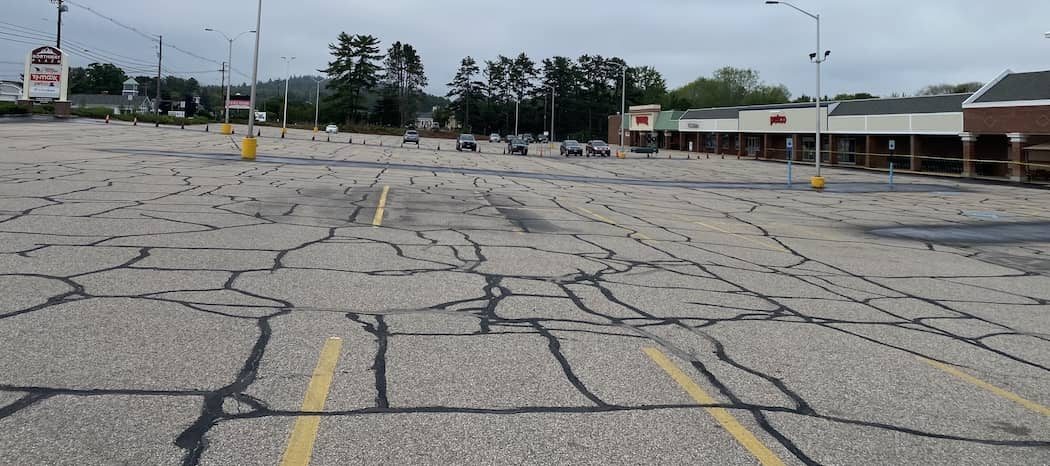
When Crack Filling Is the Wrong Spend
Crack sealing is usually the wrong scope when the asphalt is already moving, sinking, pumping, breaking apart, or showing widespread alligator cracking. Filling lines in failed pavement may make the lot look touched for a short time, but it does not correct the failure underneath.
Before approving crack filling, separate maintenance cracks from repair areas. A good scope should say what gets sealed, what gets excluded, and what needs patching, drainage review, or paving instead.
- Alligator cracking or connected fatigue cracking
- Loose asphalt inside or around the crack
- Soft areas, pumping, or base movement
- Potholes forming along the crack line
- Standing water or drainage failure
- Vegetation, debris, or contamination that cannot be cleaned properly
- Wide failed gaps that need repair, not filler
- Crack sealing being used to hide a paving problem
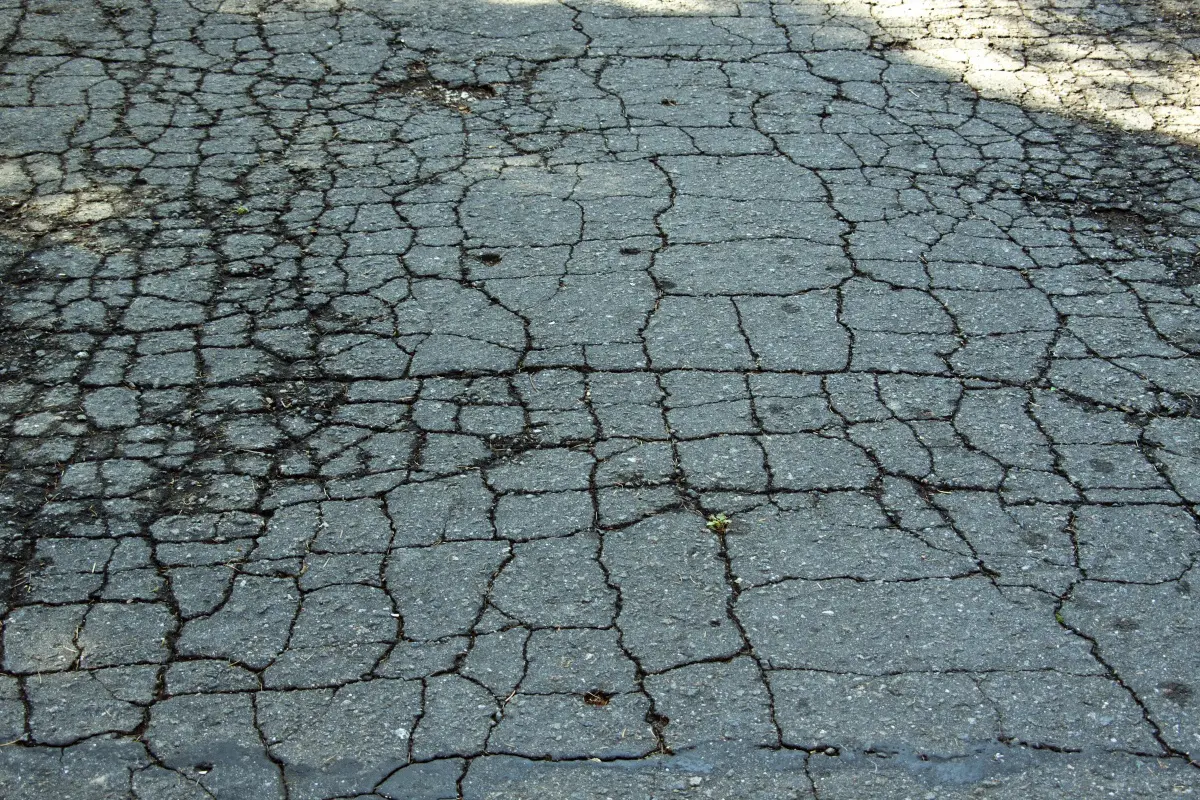
Crack Sealing, Crack Filling, Patching, and Sealcoating
Property managers often see these line items grouped together, but they do different jobs. Crack sealing controls water paths in suitable cracks. Patching repairs isolated failed pavement. Sealcoating protects a sound asphalt surface after the cracks and repair areas have been addressed.
If the order is wrong, money gets wasted. Sealcoat over open cracks leaves water a path. Crack fill over structural failure does not stop movement. Patching without drainage review can fail again in the same spot.
What Affects Crack Sealing Cost?
Do not compare crack sealing bids by total price alone. Cost depends on crack quantity, crack width, routing, cleaning, vegetation removal, sealant type, material quantity, traffic control, phasing, mobilization, weather window, and how the contractor handles areas that are too failed to seal.
Before approving a crack sealing proposal, review Crack Sealing vs Sealcoating, the Pavement Assessment Guide, How to Read a Pavement Bid, and the Three-Bid Decoder.
Our Crack Sealing Review Process
A useful crack sealing scope should make the sequence clear before work starts. The property file should show what was reviewed, what is being sealed, what is excluded, and what needs a heavier repair decision.
- Initial photo and site review
Ryan reviews wide photos, close crack photos, the property address, known drainage issues, timing, and any bids already in hand. - Crack pattern screening
Cracks are sorted by pattern, width, movement, alligatoring, nearby drainage, and surrounding pavement condition. - Maintenance vs repair separation
Suitable cracks are separated from failed areas that may need patching, drainage review, or paving instead. - Preparation scope review
The scope should address cleaning, vegetation, debris, routing where specified, and conditions that prevent proper adhesion. - Traffic and access planning
Resident parking, tenant access, drive aisles, trash service, deliveries, and reopening timing should be planned before work starts. - Crack sealing or filling
Appropriate cracks are filled or sealed according to the specified material, prep method, weather, and site conditions. - Sealcoat or repair coordination
If the lot is also being sealcoated or patched, the sequence should be clear so the work does not fight itself. - Final notes
The property should keep notes on completed areas, excluded failures, and cracks or drainage issues to monitor next.
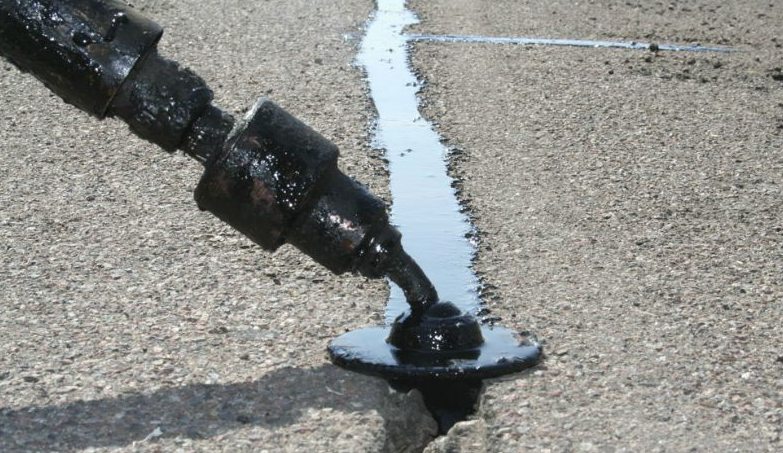
What We Look at Before Recommending Crack Sealing
A responsible crack sealing recommendation starts with the pavement condition, not the calendar. Some lots are good maintenance candidates. Some need crack sealing plus patching. Some are past the preventive window.
- Crack pattern and connected distress
- Crack width and movement
- Water paths and nearby drains
- Alligator cracking and failed patches
- Vegetation, dirt, and surface contamination
- Prior crack fill buildup
- Traffic volume and turning movements
- Garbage truck and delivery routes
- Sealcoat timing and surface oxidation
- Tenant or resident access needs
- Areas that should be patched instead
- Weather and cure window
Common Crack Sealing Mistakes Property Managers Should Avoid
- Sealing cracks after alligator cracking has already formed
- Approving sealcoat before crack prep is resolved
- Comparing bids without checking prep assumptions
- Ignoring drainage near recurring cracks
- Filling cracks that should be patched or cut out
- Failing to plan tenant or resident access
- Not documenting failed areas before work starts
- Accepting vague material descriptions
- Not separating crack sealing from asphalt repair
- Waiting until small cracks become budget problems
Drainage, Sealcoat, and Liability Considerations
Water is the reason crack sealing matters. Once water enters the pavement structure, traffic loads can move it through the base and turn a maintenance crack into a repair area. Cracks near drains, curb lines, downspouts, low areas, and drive aisles deserve extra attention.
Crack sealing also affects sealcoat timing. If the lot is a good sealcoat candidate, appropriate cracks should usually be addressed before coating. If the lot has drainage problems or failed areas, start with drainage review, repair options, or asphalt paving scope review before treating crack fill as the whole plan.
Crack Sealing for HOAs, Commercial Lots, and Facilities
How Often Should Parking Lot Cracks Be Sealed?
Timing depends on pavement age, traffic, drainage, sun exposure, prior maintenance, sealcoat history, and how quickly cracks are opening. Many commercial lots should be walked regularly, but the decision should be based on condition, not a fixed calendar alone.
Crack sealing too late does not save failed pavement. The better question is whether the cracks are still maintenance cracks, or whether the lot has moved into repair.
Common Field Scenarios
Bay Area and Northern California Crack Sealing Scope Help
Surface Intelligence helps commercial properties, HOAs, facilities, and property owners think through Bay Area crack sealing and Northern California asphalt maintenance decisions. That can include Oakland, Alameda, Berkeley, Richmond, Concord, Walnut Creek, Pleasanton, San Leandro, Hayward, Fremont, San Jose, and Sacramento-area commercial properties where the project fit makes sense.
The location matters, but the main question is still condition: are these maintenance cracks worth sealing, or is crack filling being asked to hide a repair or paving problem?
Related Asphalt Maintenance Resources
Commercial Crack Sealing FAQs
Is crack sealing the same as crack filling?
People often use the terms together, but crack sealing usually refers to a flexible sealant approach intended to reduce water intrusion in working cracks. Crack filling is often used more generally for filling suitable cracks. The right method depends on pavement condition and crack pattern.
When should parking lot cracks be sealed?
Crack sealing is most useful when cracks are open enough to let water in but the surrounding asphalt is still structurally sound. It should usually happen before sealcoating and before cracks connect into larger failure.
Can crack sealing fix alligator cracking?
No. Alligator cracking usually points to structural distress or base movement. Crack sealing can darken or fill openings, but it cannot rebuild support under the asphalt.
Should cracks be sealed before sealcoating?
Usually yes. Appropriate cracks should be cleaned and sealed before sealcoat is applied so water is not left with an easy path into the pavement structure.
Why are crack sealing bids so different?
Bids can differ because of crack quantity, crack width, routing, cleaning, vegetation removal, sealant type, traffic control, phasing, mobilization, weather windows, and whether failed pavement areas are excluded or repaired.
Does crack sealing stop potholes?
It can reduce water intrusion when the pavement is still stable. It will not stop potholes where the base is already failing, water is trapped, or the asphalt is moving.
How long does commercial crack sealing take?
Timing depends on crack quantity, preparation, routing or cleaning requirements, traffic control, phasing, weather, and how quickly the property can reopen areas safely.
What should I send Ryan before approving crack sealing?
Send wide photos, close crack photos, the property address, any existing bids, known drainage issues, sealcoat timing, and areas where the asphalt is loose, sunken, or moving.
Before you approve crack filling, make sure the pavement is still in the maintenance window.
Send Ryan the property address, wide photos, close crack photos, timing, and any crack sealing bids you already have. The goal is to find out if crack sealing makes sense before water turns a small maintenance item into a repair problem.