
Commercial Concrete Flatwork for Sidewalks, Curbs, Ramps, and Pads
Concrete work near a parking lot is not just a hardscape item. It affects pedestrian safety, accessible routes, drainage, vehicle edges, dumpster areas, asphalt tie-ins, and the property file.
When Concrete Flatwork Is the Right Conversation
Concrete flatwork may be the right scope when sidewalks, curbs, ramps, pads, gutters, or transitions are broken, displaced, holding water, creating trip exposure, or affecting how asphalt paving ties into the rest of the property.
The mistake is treating concrete as a separate line item after the paving decision is already made. Concrete elevations can decide whether water drains correctly, whether pedestrians move safely, and whether an accessible route actually works.
- Lifted, settled, or displaced sidewalk panels
- Trip hazards near entrances, tenant paths, or common areas
- Broken curbs, gutters, valley sections, or wheel-stop damage
- Curb ramps, landings, and accessible route transitions
- Dumpster pads, loading pads, and high-stress service areas
- Asphalt-to-concrete lips, rough tie-ins, or drainage edges
- Drainage crossing walks, ramps, parking stalls, or entrances
- Concrete work tied to paving, sealcoat, striping, or ADA planning
Common Concrete Flatwork Scopes
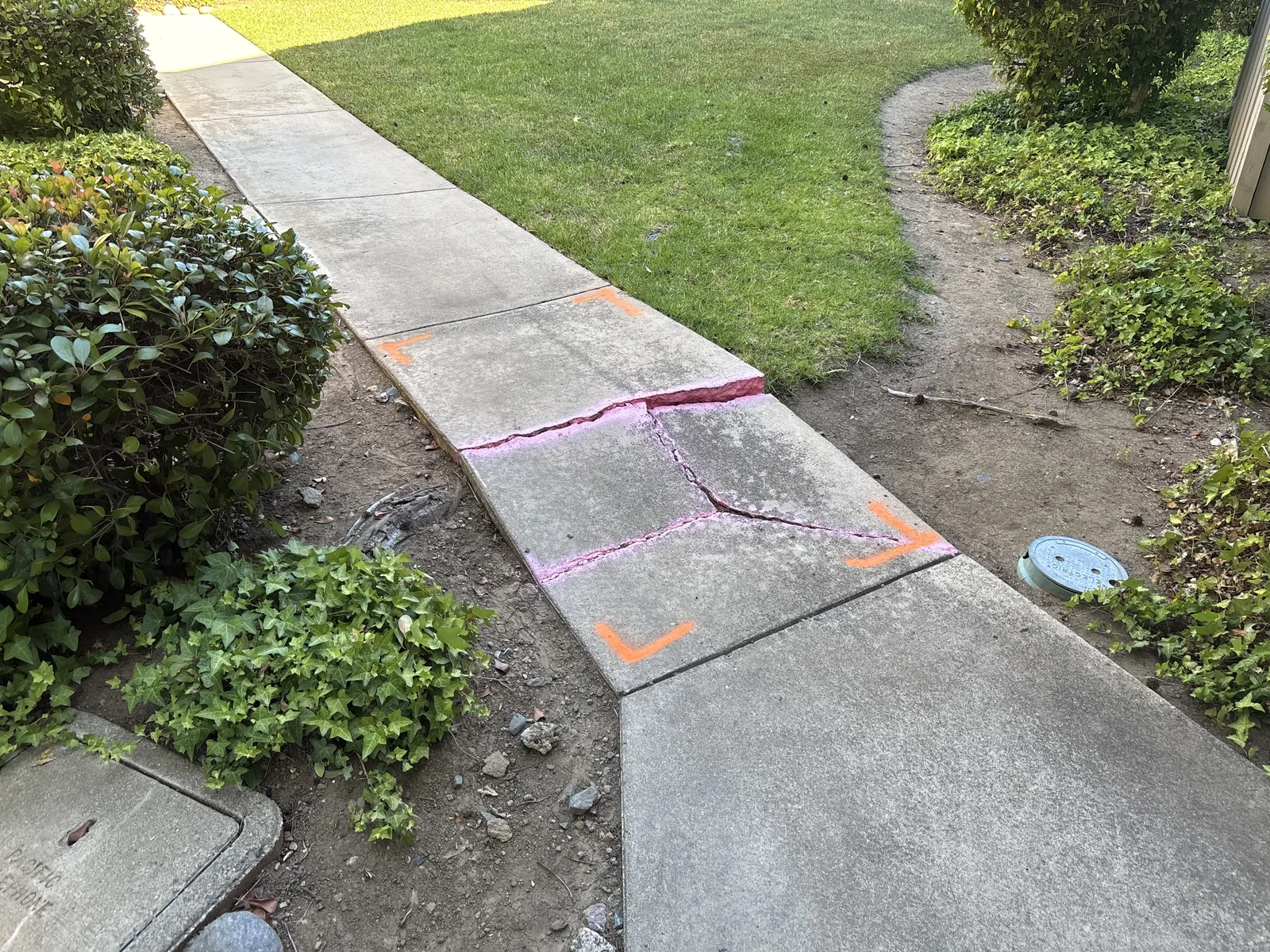
Concrete and Asphalt Should Be Scoped Together
Concrete and asphalt meet at curbs, ramps, drive aisles, sidewalks, drains, pads, entrances, and accessible parking areas. If those tie-ins are ignored, the property can end up with ponding, lips, poor curb reveal, rough transitions, or pedestrian issues after the visible paving work is complete.
Before approving a paving proposal, review whether concrete demolition, replacement, or adjustment belongs in the same scope. The right answer may be no, but it should be a field decision, not an assumption.
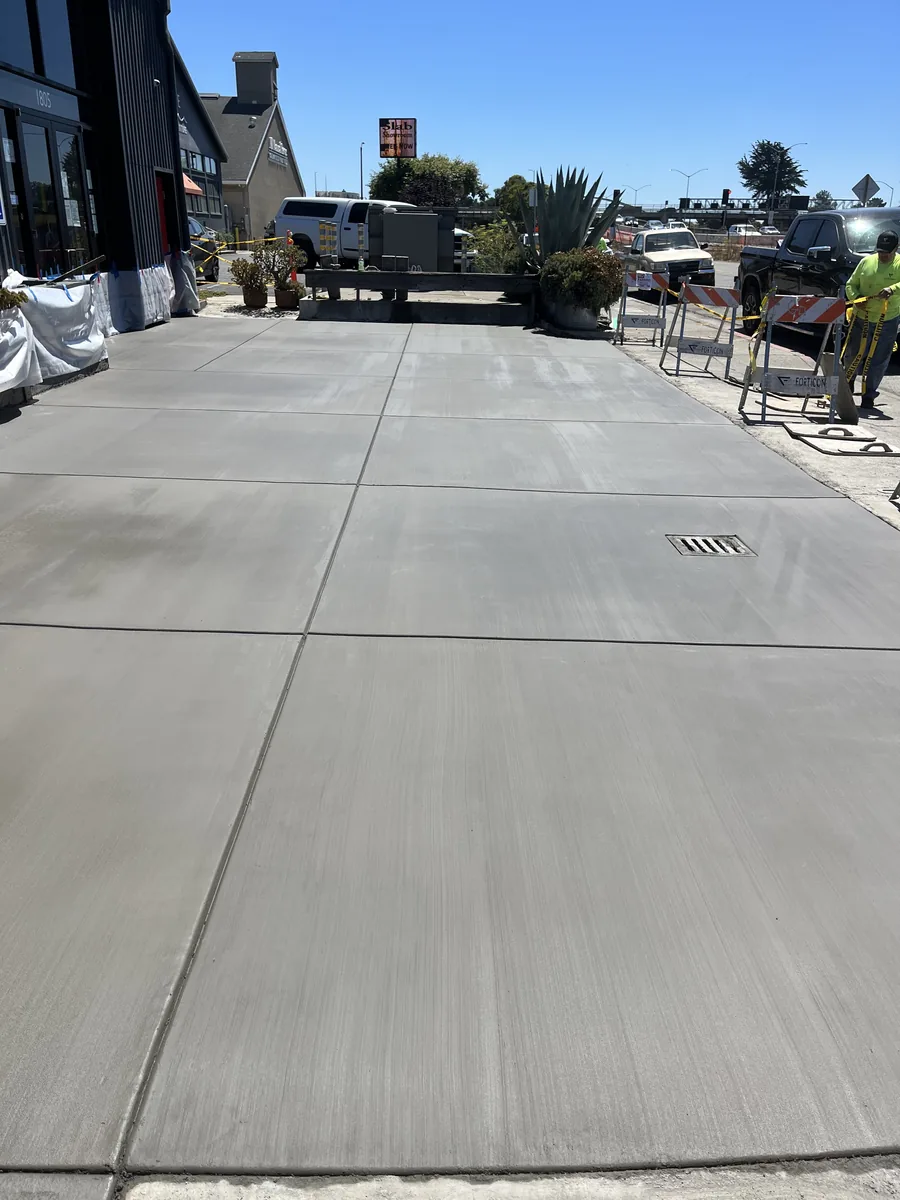
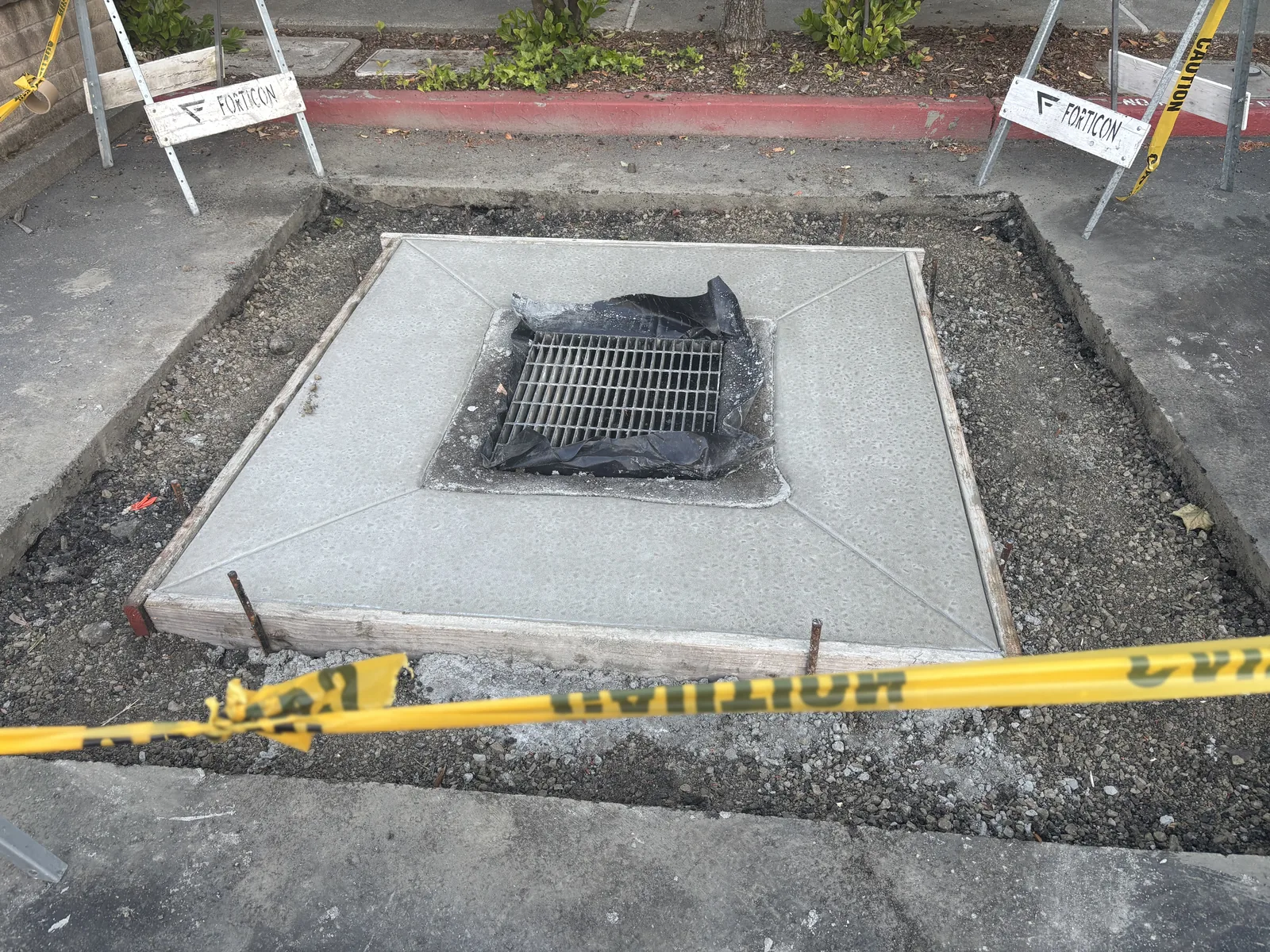
What Affects Concrete Flatwork Cost?
Do not compare concrete bids until you know what is included. Square footage matters, but so do demolition limits, concrete thickness, base preparation, reinforcement, doweling, access, disposal, drainage, adjacent asphalt repair, finish, curing, traffic control, tenant or resident access, and whether ADA-related conditions are included or excluded.
Before approving a concrete proposal, review the How to Read a Pavement Bid article, the Three-Bid Decoder, and the Pavement Scope Template.
ADA, Drainage, and Pedestrian Route Considerations
Concrete flatwork can affect accessible routes, curb ramps, landings, truncated domes, cross slopes, doorway approaches, sidewalk transitions, drainage across pedestrian paths, and the connection between parking and building access.
Surface Intelligence ADA content is educational risk-screening, not a CASp inspection, legal opinion, engineering report, or formal compliance certification. If formal accessibility verification is needed, involve a qualified accessibility professional. Ryan can help coordinate the field scope, contractor language, and documentation side of the work.
- Curb ramp and landing conditions
- Accessible route continuity
- Trip lips at asphalt-to-concrete transitions
- Drainage crossing accessible paths
- Detectable warning surface coordination
- Doorway, sidewalk, and parking lot connections
- Concrete work before striping layout
- Documentation before owner or board approval
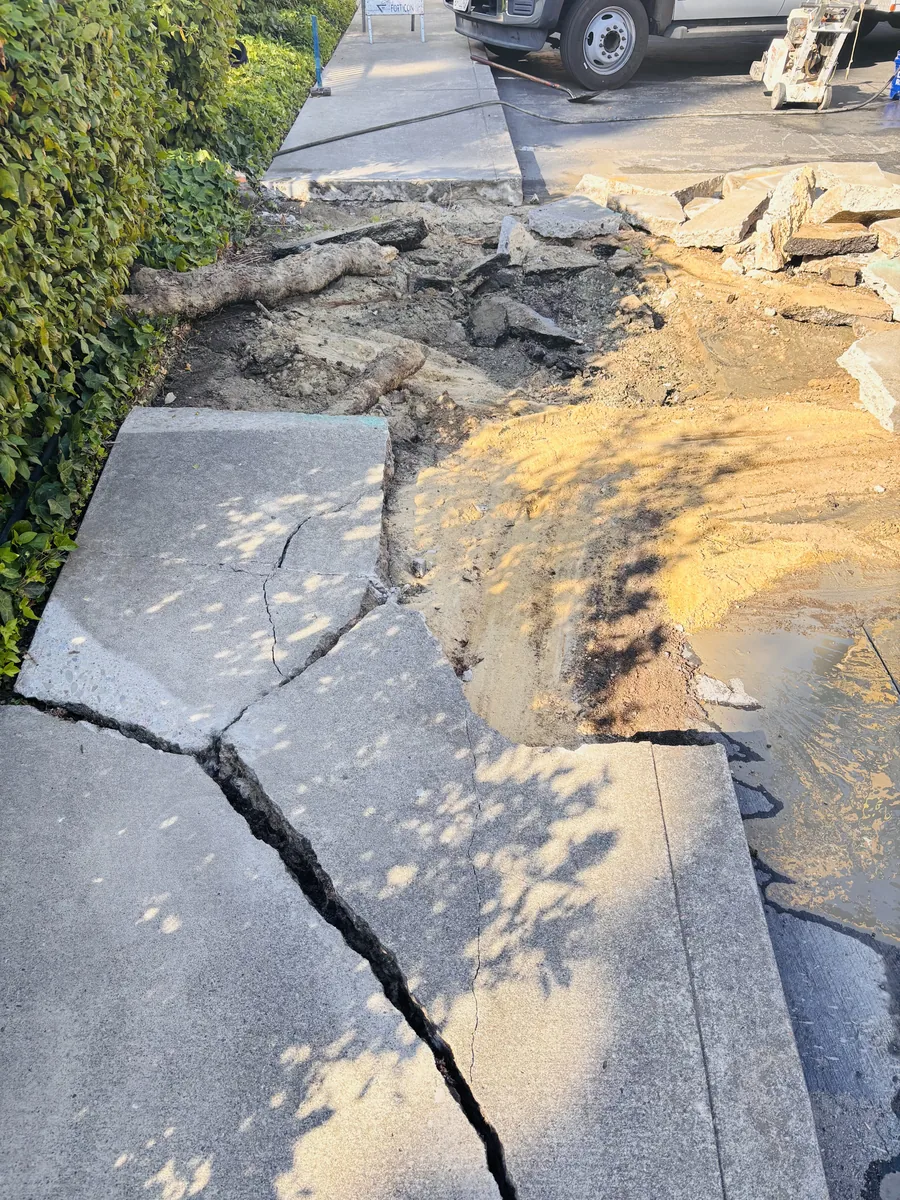
Our Concrete Flatwork Scope Review Process
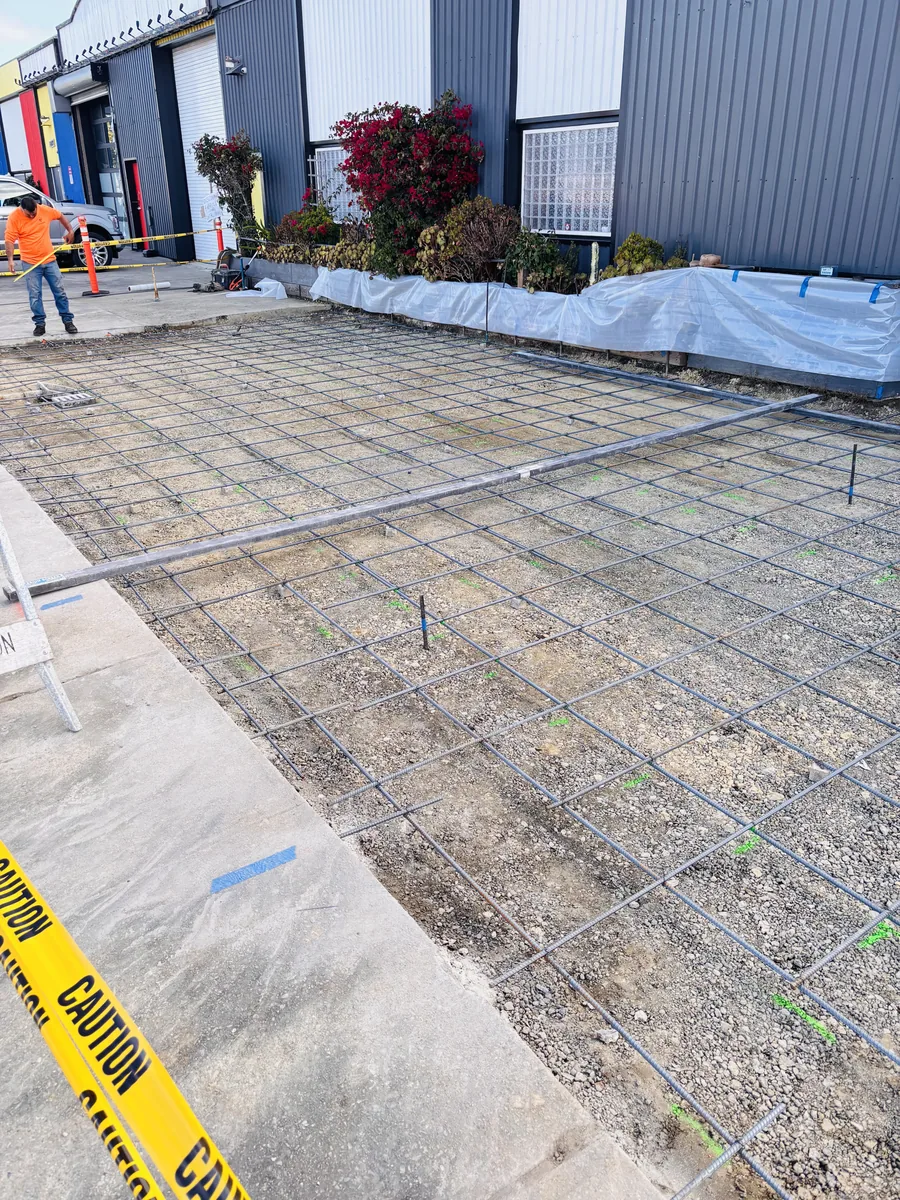
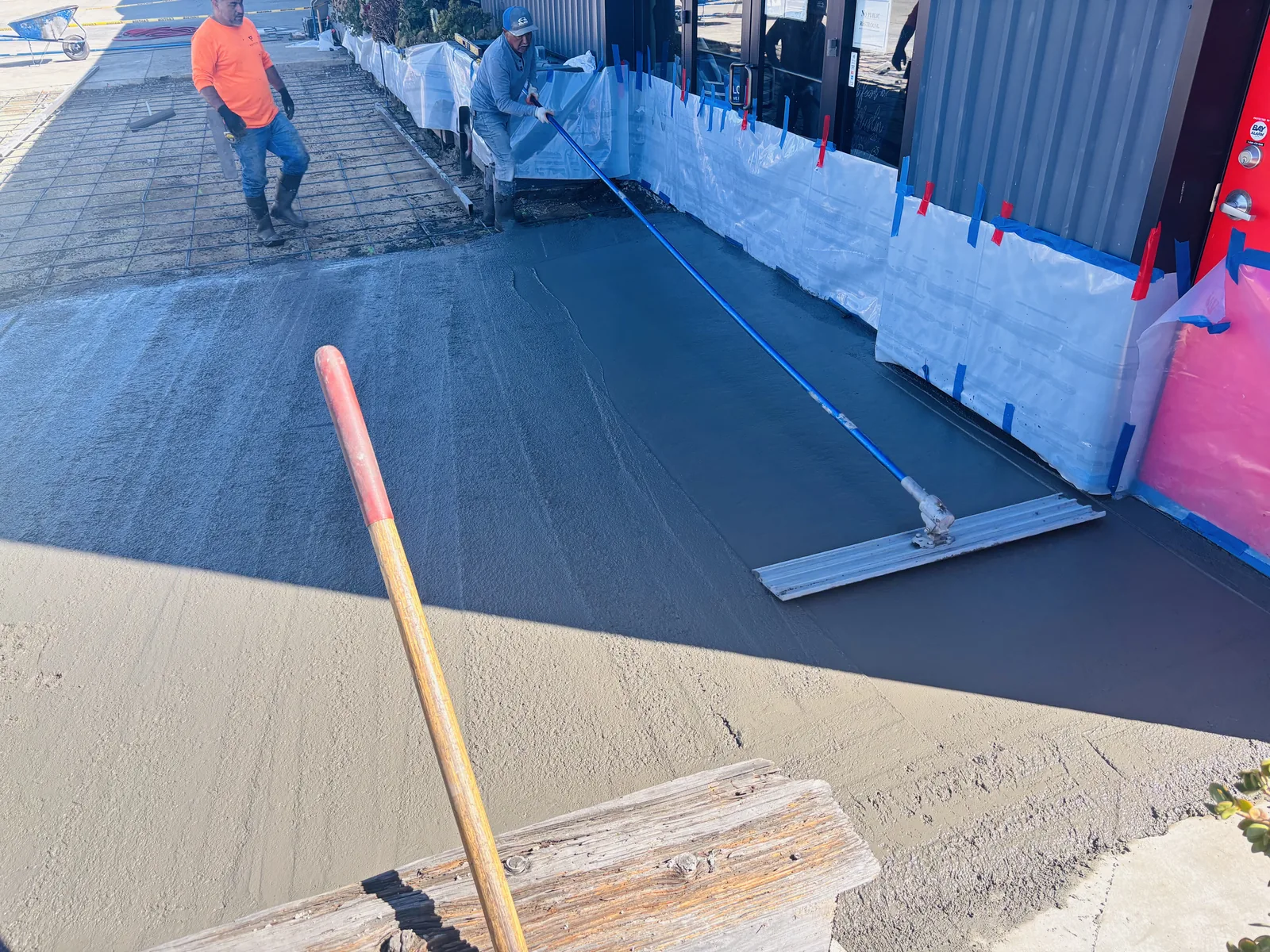
A useful concrete scope should explain what is being removed, what is being replaced, why the limits make sense, and how the finished work ties into asphalt, drainage, access, and pedestrian movement.
- Initial photo and bid review
Ryan reviews the property type, photos, known issues, timing, access needs, and any concrete or paving bids already in hand. - Visible condition screening
Sidewalks, curbs, ramps, pads, drains, asphalt tie-ins, trip hazards, and route concerns are separated into field issues to review. - Scope limit discussion
The review clarifies panels, curbs, ramps, pads, transitions, demolition limits, drainage details, and likely exclusions before pricing is compared. - Coordination with paving or ADA work
Concrete is checked against asphalt paving, sealcoat, striping, ADA parking, drainage, and pedestrian access where those scopes overlap. - Proposal support
The proposal should make preparation, thickness, finish, phasing, access, exclusions, and related work clear enough for a manager or board to understand. - Construction and closeout notes
The property file should include photos, scope notes, open issues, and a record of what was corrected.
What We Look at Before Recommending Concrete Work
Concrete flatwork should be reviewed in context. A cracked panel may be simple. A cracked panel next to a low drain, accessible route, asphalt edge, tenant entrance, or dumpster route may not be simple.
- Panel cracking, settlement, uplift, and repeated movement
- Trip exposure near entrances and pedestrian paths
- Roots, base support, and adjacent landscape conditions
- Drainage flow across walks, ramps, and entrances
- Asphalt tie-ins, curb reveal, and transition elevations
- Dumpster, truck, delivery, and loading area traffic
- ADA route, ramp, landing, and warning-surface concerns
- Tenant, resident, delivery, and emergency access needs
- Finish, curing, reopening, and traffic-control constraints
- Whether paving, striping, sealcoat, or drainage work is happening too
Common Concrete Mistakes Property Managers Should Avoid
- Replacing panels without asking why they moved
- Ignoring drainage at curbs, gutters, walks, and ramps
- Treating ADA route concerns as a paint problem
- Approving paving before concrete tie-ins are reviewed
- Letting bids stay vague about demo limits and thickness
- Forgetting tenant, resident, delivery, or trash access
- Using asphalt patches where concrete loading is the real issue
- Not documenting trip hazards before and after the work
- Assuming every concrete crack needs the same repair
- Comparing price before comparing scope assumptions
Concrete Flatwork for HOAs, Commercial Lots, and Facilities
Example Field Scenarios
Bay Area and Northern California Concrete Scope Help
Surface Intelligence helps commercial properties, HOAs, facilities, and property owners think through concrete flatwork scope across the Bay Area and Northern California. That can include Oakland, Alameda, Berkeley, Richmond, Concord, Walnut Creek, Pleasanton, San Leandro, Hayward, Fremont, San Jose, and Sacramento-area commercial properties where the project fit makes sense.
The location matters, but the main question is still field condition: is the concrete work solving the trip, drainage, access, loading, or transition problem, or only replacing a visible surface?
Related Concrete and Pavement Resources
Commercial Concrete Flatwork FAQs
What counts as commercial concrete flatwork?
Commercial concrete flatwork can include sidewalks, pedestrian walks, curbs, gutters, ramps, dumpster pads, loading pads, equipment pads, drainage aprons, trip hazard repairs, and transitions between asphalt and concrete.
When should concrete be reviewed before asphalt paving?
Concrete should be reviewed before paving when curbs, sidewalks, ramps, pads, drains, accessible routes, or asphalt-to-concrete transitions affect elevations, drainage, safety, ADA risk, or finished tie-ins.
Can concrete work affect ADA parking or accessible routes?
Yes. Sidewalks, curb ramps, landings, transitions, slopes, detectable warning surfaces, and route connections can affect ADA risk. Surface Intelligence content is educational risk-screening, not a CASp inspection or legal opinion.
Why are concrete flatwork bids so different?
Bids can differ because they assume different demolition limits, thickness, base preparation, reinforcement, drainage work, access control, finish requirements, ADA responsibility, phasing, disposal, and tie-in details.
What should I send Ryan before approving concrete flatwork?
Send wide photos, close photos of the damaged concrete, adjacent asphalt, curbs, ramps, drains, entrances, trip hazards, property address, access constraints, timing, and any bids already received.
Does replacing a sidewalk panel fix the root cause?
Sometimes. The cause should be reviewed first. Roots, settlement, drainage, base support, vehicle loading, adjacent asphalt elevations, and repeated movement can all affect whether a simple panel replacement will hold.
Before you approve concrete work, make sure the scope explains the edge conditions.
Send Ryan the property address, wide photos, close photos of the damaged concrete, adjacent asphalt, ramps, curbs, drains, entrances, trip hazards, timing, and any bids you already have.