

Most parking lots do not fail all at once. They give warnings first: small cracks, standing water, raveling, depressions, trip hazards, failed patches, faded striping, and accessible stalls that look compliant from a distance but have slope or access issues when checked closely.
A pavement assessment helps property managers, HOA boards, facility managers, and commercial owners understand what is happening on the surface before the next bid, budget meeting, reserve study update, or liability claim. The goal is simple: find the problems early enough to make a smart decision, not a rushed one.
After documenting condition, use the Parking Lot Maintenance Guide for Property Managers to turn the findings into inspection, maintenance, repair, budgeting, and contractor-scope decisions.
What Is a Pavement Assessment?
A pavement assessment is a practical review of visible conditions across a parking lot, private road, driveway, or commercial site surface. It is not just someone walking the lot and saying, "You need paving." A useful assessment looks at asphalt, concrete, drainage, striping, ADA access, traffic patterns, and repair history.
It should help answer whether the pavement is still in the maintenance stage, whether cracks are isolated or connecting, whether water is reaching the base, whether failures are cosmetic or structural, and whether an area belongs in patching, sealcoat, overlay, removal and replacement, ADA correction, parking lot paving, or future capital planning.
Why Assess Pavement Before Getting Bids?
One of the most common parking lot maintenance mistakes is asking three contractors for prices before the property team understands the actual condition of the lot. That is how you get three bids that look comparable but describe three different jobs.
One contractor bids crack seal and sealcoat. Another bids patching and overlay. Another recommends full replacement. The prices are different because the scopes are different. An assessment narrows the conversation before pricing starts and keeps the bidders from defining the problem entirely on their own.
Once the field conditions are documented, use the How to Review a Paving Bid guide and the Three-Bid Decoder to compare scope before price.
What Should Be Reviewed?
1. Cracking
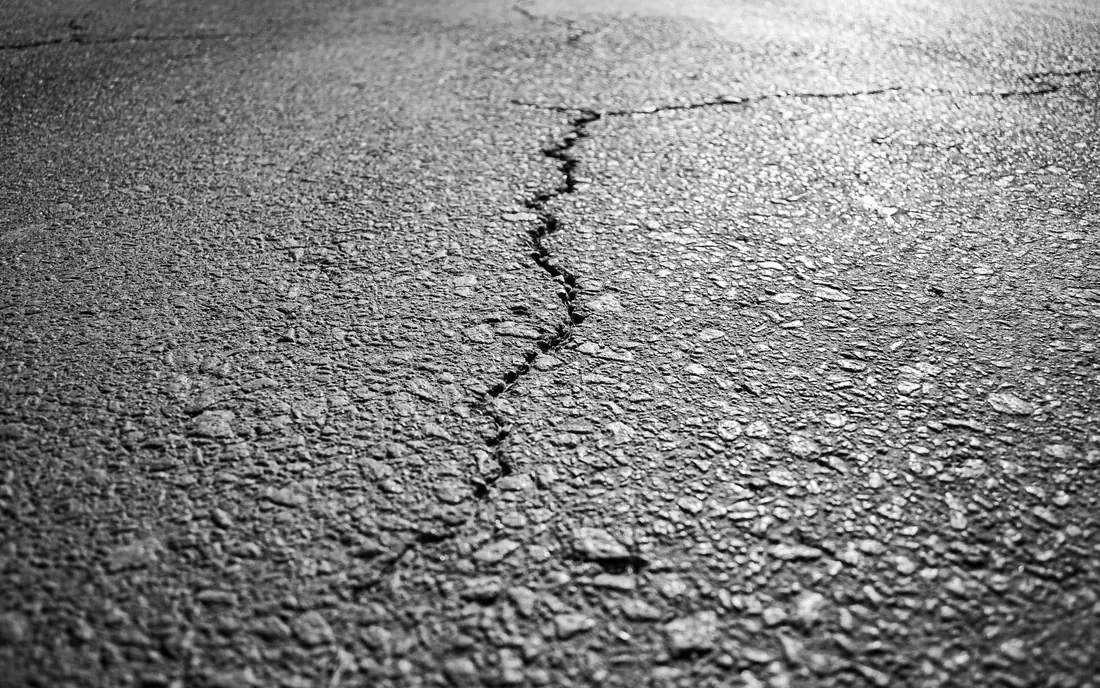
Cracks are one of the first signs that pavement is opening up. Not every crack means the lot needs replacement, but cracks allow water into the pavement structure. Once water reaches the base, small defects can turn into larger failures.
- Linear and block cracking
- Alligator and edge cracking
- Reflective cracking
- Cracks near drains and curbs
- Cracks holding debris or water
- Connected cracks around failed areas
2. Drainage Problems
Water is one of the biggest drivers of pavement failure. If water sits after rain, drains toward buildings, flows through failed areas, or crosses accessible parking, the pavement problem is usually bigger than appearance. Drainage should be understood before overlay, sealcoat, or restriping.
- Standing water and low spots
- Ponding near entrances
- Drain inlets set high or low
- Settling around structures
- Water crossing access aisles
- Water entering cracks and patches

3. Surface Wear, Potholes, and Base Failure
Loose aggregate, oxidation, raveling, rutting, depressions, pumping areas, and potholes help show whether a surface treatment is still appropriate or the failure has moved into the pavement structure. Potholes are usually a later-stage symptom, not the beginning of the problem.

4. Concrete Conditions and Trip Hazards
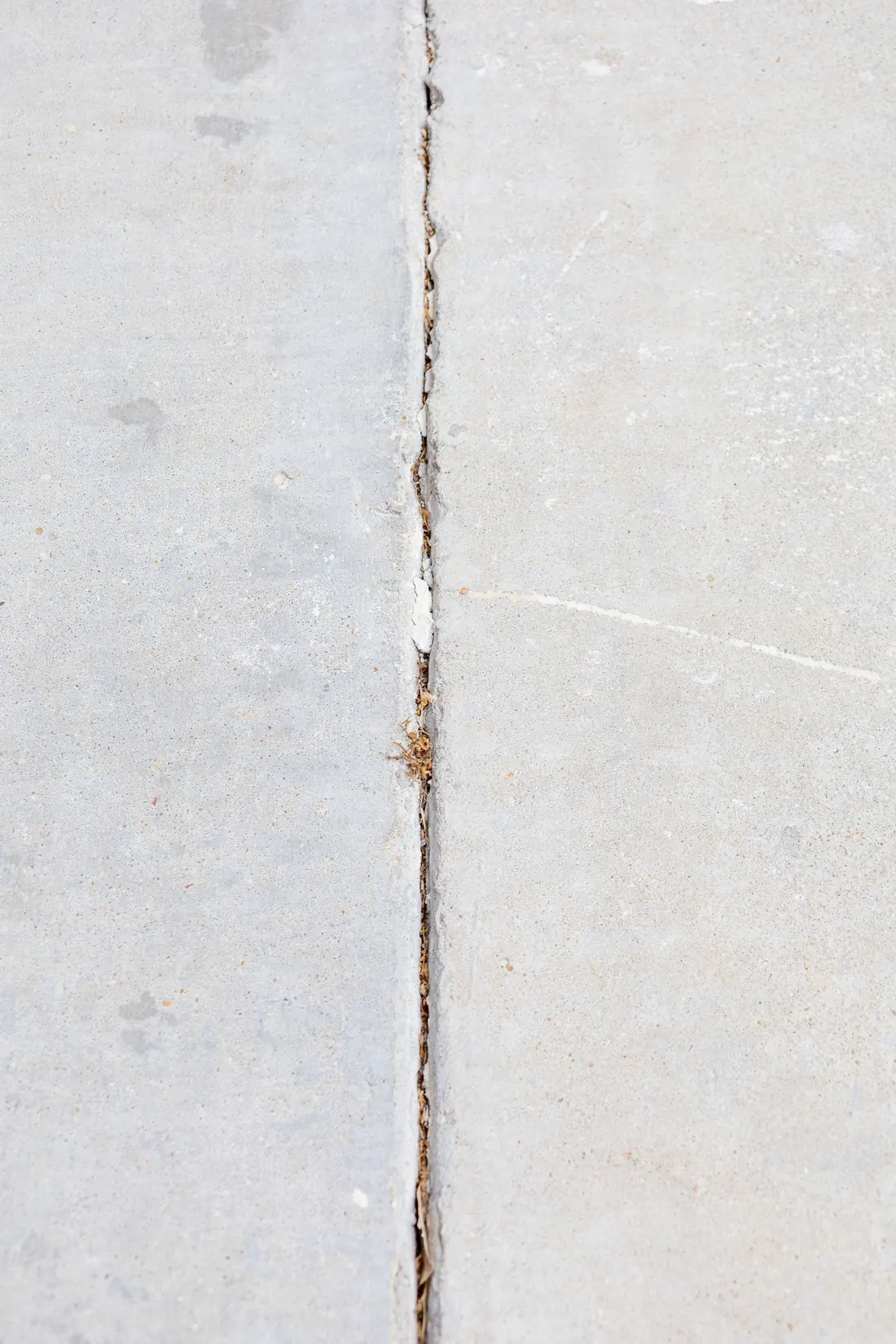
Parking lot risk is not limited to asphalt. Review sidewalks, curb ramps, valley gutters, driveway approaches, walkways, and transitions. Lifted panels, displaced concrete, broken curbs, spalling, and poor asphalt-to-concrete transitions can become safety and liability issues quickly, especially near entrances and accessible routes.
5. ADA Parking and Accessible Routes
ADA issues are often missed because the striping looks correct. Paint does not fix slope. Document accessible stalls, access aisles, signs, surface gaps, drainage, paths of travel, abrupt changes, curb ramps, and conditions affecting access. This is not a formal CASp inspection, but obvious concerns should be documented before paving or restriping.
Use the ADA Parking Requirements guide for the broader field framework, then use the ADA Issue Documentation Log to create a dated property record.

6. Striping, Traffic Flow, and Previous Repairs
Striping affects traffic flow, pedestrian movement, fire access, tenant experience, and ADA compliance. Previous patches and overlays also tell a story. A repair that is holding may show where the scope was correct. A repair that keeps failing may show the original cause was never addressed.
- Faded lines, arrows, and stop bars
- Confusing traffic patterns
- Fire lanes and loading zones
- Utility trench patches
- Failed patch and overlay edges
- Repairs that changed drainage
Use these tools before requesting bids.
The assessment identifies what deserves attention. These tools help turn observations into a condition rating, budget range, repair strategy, and comparable contractor scope.
When Should a Property Request an Assessment?
- Before requesting contractor bids
- Before reserve study updates
- Before an HOA board budget meeting
- Before sealcoat or restriping
- Before overlay work
- After repeated potholes or patches
- After drainage complaints
- After a trip-and-fall or near miss
- When ADA concerns are raised
- Before pavement becomes a crisis expense
Pavement Assessment vs. Contractor Bid
A contractor bid tells you what one company proposes to do. A pavement assessment helps you understand what the property actually needs. A bid is a price attached to a scope. An assessment is a condition review that helps shape the right scope.
Skipping the assessment step creates predictable problems: sealcoating pavement that is already too far gone, overlaying failed base, ignoring drainage, repainting ADA stalls over bad slope, treating trip hazards as cosmetic, and comparing bids that do not include the same work.
What Property Managers Should Document
- Date and person completing the review
- Weather conditions when drainage matters
- Photos and defect locations
- Cracks, potholes, trip hazards, and failed areas
- ADA and drainage concerns
- Previous repair locations
- Recommended next step
- Immediate, near-term, or future urgency
The record does not need to be complicated. It should be clear enough that a board, owner, manager, or contractor can understand what was observed and why it matters.
What Happens After the Assessment?
Preventive Maintenance
Crack sealing, sealcoat, minor patching, or restriping when the pavement remains structurally sound.
Targeted Repairs
Dig-outs, asphalt patching, concrete replacement, trip-hazard correction, or drainage improvements.
Capital Planning
Overlay, larger replacement areas, reserve adjustments, board communication, and phased planning.
Specialist Review
ADA/CASp review, drainage evaluation, engineering input, or a more detailed contractor scope.
Material choice is part of this decision too. Review Asphalt vs. Concrete for Commercial Parking Lots before using one material everywhere by default.
Go deeper on the condition you are seeing.
Frequently Asked Questions
What is a pavement assessment?
A pavement assessment is a review of asphalt, concrete, drainage, ADA access, striping, traffic patterns, repair history, and visible failure conditions before repair or budget decisions are made.
How often should a parking lot be assessed?
At least once a year, and before sealcoating, restriping, overlays, reserve study updates, major bid requests, or after repeated failures and drainage complaints.
Is a pavement assessment the same as a paving bid?
No. A bid tells you what one contractor proposes. An assessment helps identify the condition of the lot before contractors define the scope.
What should property managers look for?
Cracking, potholes, drainage problems, failed patches, trip hazards, ADA concerns, surface wear, striping issues, concrete displacement, and previous repair failures.
Can a pavement assessment help with reserve planning?
Yes. It gives boards and managers better field information before setting budgets, prioritizing work, or updating reserve study assumptions.
Download the Parking Lot Pavement Assessment Checklist
Take the one-page checklist on your next site walk. It covers cracking, drainage, potholes, failed patches, trip hazards, ADA concerns, striping, concrete displacement, repair urgency, photos, and the recommended next step.
Download Free ChecklistStock photography used under the Pexels license. Photos by Mikael Blomkvist, Nien Tran Dinh, Tim Mossholder, Nothing Ahead, Ernest Chukwuka, and Markus Winkler.